The Fascinating World of Mahjong
Mahjong is much more than just a game; it is a cultural phenomenon that has captivated enthusiasts for generations. Originating in China during the Qing dynasty, this timeless game has transcended its roots to become a beloved pastime worldwide. With its elaborate tiles and complex rules, Mahjong is both a test of skill and a rich tradition that embodies the art of strategy.
The Origins of Mahjong
The origins of Mahjong remain somewhat shrouded in mystery, but historical accounts suggest it emerged in the mid-19th century. Some theories suggest Mahjong evolved from ancient Chinese card games or tile-based games like Dominoes. The game's name, "Mahjong," means "sparrow" in Chinese, possibly referring to the tiles' resemblance to bird backs or the chirping sound they make when shuffled.
The Components of Mahjong
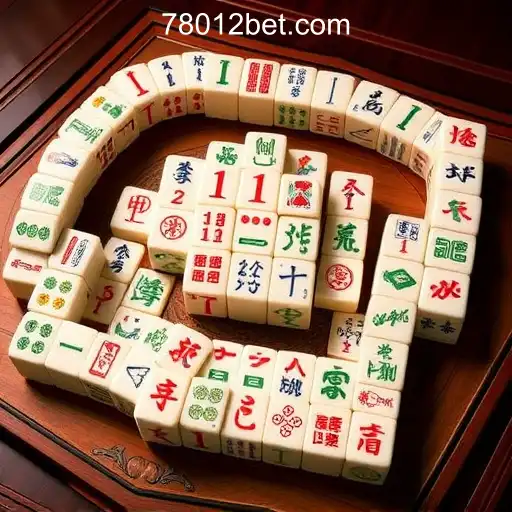
The traditional Mahjong set consists of 144 tiles, though variations exist. These tiles are divided into several suits: Bamboo, Characters, and Dots. Each suit contains numbered tiles ranging from one to nine. Special honor tiles include Winds (East, South, West, and North) and Dragons (Red, Green, and White). Furthermore, bonus flower and season tiles can add strategic complexity to the game.
The Gameplay
Mahjong is typically played by four players seated around a square table. The objective is to be the first to complete a valid hand by drawing and discarding tiles. A winning hand usually consists of four sets of three tiles and a pair, known as "eyes." Sets can be three identical tiles (Pong), a sequence of three consecutive numbers in the same suit (Chow), or a set of four identical tiles (Kong).
The game begins with shuffling the tiles face-down to form a wall, from which players draw their initial hands. The East Wind player starts by discarding a tile, and turns proceed counter-clockwise. Players aim to form winning hands through skillful tile selection and discard strategies, often considering opponents' moves to anticipate potential threats and opportunities.
Strategies and Skills in Mahjong
Mastering Mahjong demands more than luck; it requires strategic thinking and adaptability. One fundamental strategy is the prioritization of concealed hand-building, which enhances scoring potential. Players often focus on creating flexible hands to increase their chances of winning even with an unexpected tile draw.
Experienced players read opponents' discards to infer their strategies, potentially altering their own hand-building approach to thwart opponent progress. Timing is crucial, as waiting too long to change strategies may render it too late to win.
Cultural Significance
Mahjong holds significant cultural value, serving as a social activity that strengthens community bonds and a symbol of good fortune and prosperity. Traditionally played during family gatherings and festivities, such as the Chinese New Year, it embodies Chinese values of harmony and camaraderie.
The game has also influenced language, with terms from Mahjong blending into colloquial Chinese. Phrases like "the winds change" symbolize unforeseen changes in situations, while "playing out of the door" indicates going solo or acting independently.
Modern Adaptations and Online Presence
As technology advances, Mahjong has adapted to new platforms, making it accessible to a global audience. Online versions provide a virtual space for enthusiasts to play with others worldwide and explore various game variants. Websites like 7801BET.com Oficial Slots Brasil #1 have integrated Mahjong-themed games, highlighting its crossover appeal to dedicated gamblers and casual players alike.
Interactive tutorials and customizable settings in digital versions facilitate learning and gameplay, though purists argue nothing can fully replicate the tactile pleasure and social elements of a physical Mahjong session.
The Global Mahjong Community
Mahjong's charm has captivated international audiences, resulting in various adaptations. Japanese, American, and Western styles offer different rules and formats, each championed by dedicated communities hosting tournaments and conventions.
These gatherings, both in-person and virtual, highlight Mahjong's ability to unite diverse cultures over a shared passion, showcasing its universal appeal.
Conclusion
Ultimately, Mahjong represents more than its mechanics; it is a timeless testament to strategy, skill, and social interaction. Whether enjoyed in a traditional setting or through modern online platforms such as 7801BET.com Oficial Slots Brasil #1, Mahjong continues to inspire both seasoned players and newcomers seeking a game that challenges and delights. Its rich tapestry of history, culture, and gameplay ensures Mahjong's continued relevance and appreciation across the globe.